
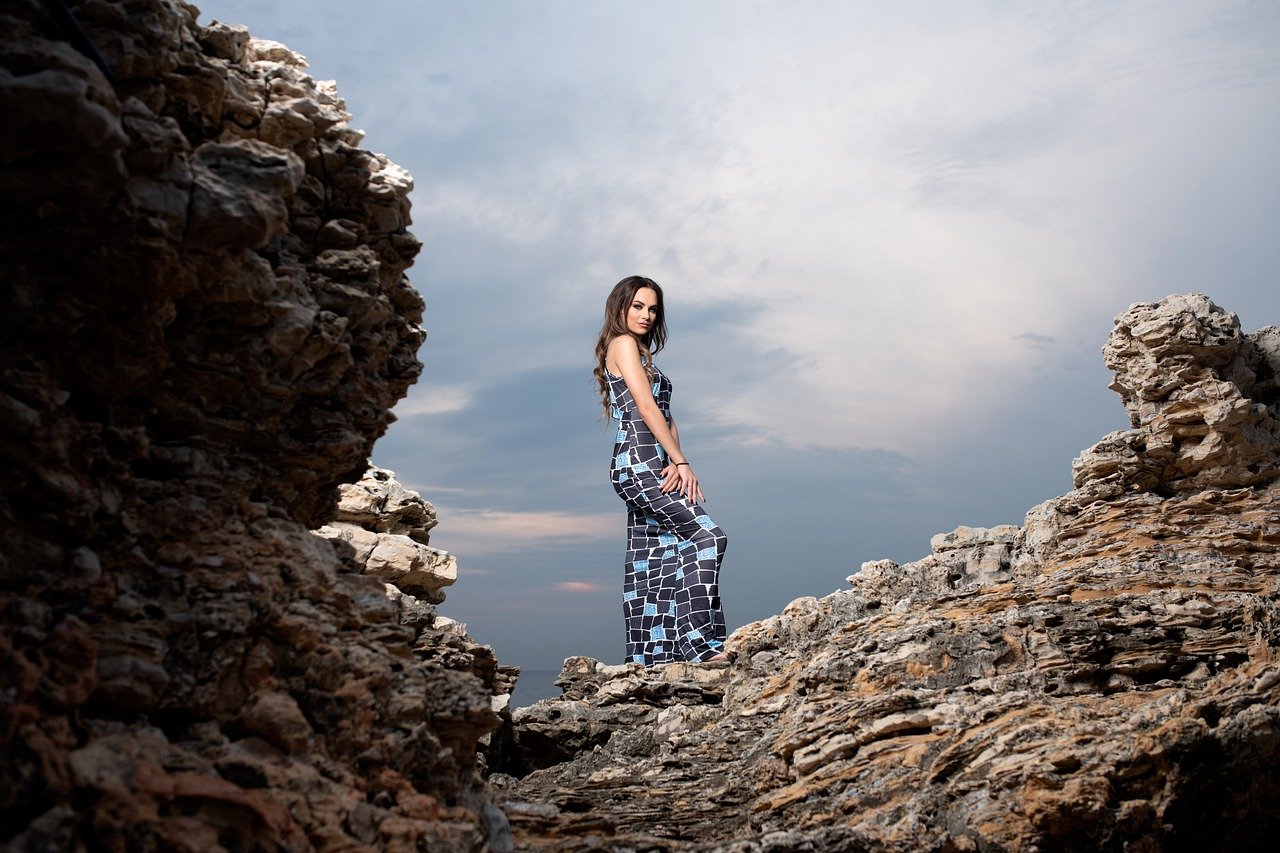
Fashion Photography has become one of the most influential forms of visual art in today’s digital-first world. It shapes how we perceive style, inspires trends, and helps brands communicate their identity through powerful imagery. Whether you see it in magazines, social media, campaigns, billboards, or runway shoots, fashion photography plays a crucial role in defining the global fashion landscape. It goes beyond showcasing clothes — it tells stories, conveys mood, and brings a designer’s vision to life through creativity, lighting, posing, and styling.
This blog explores everything you need to know about fashion photography — its styles, essential tools, techniques, challenges, and how to grow successfully in this competitive yet exciting industry.
1. What Makes Fashion Photography So Unique?
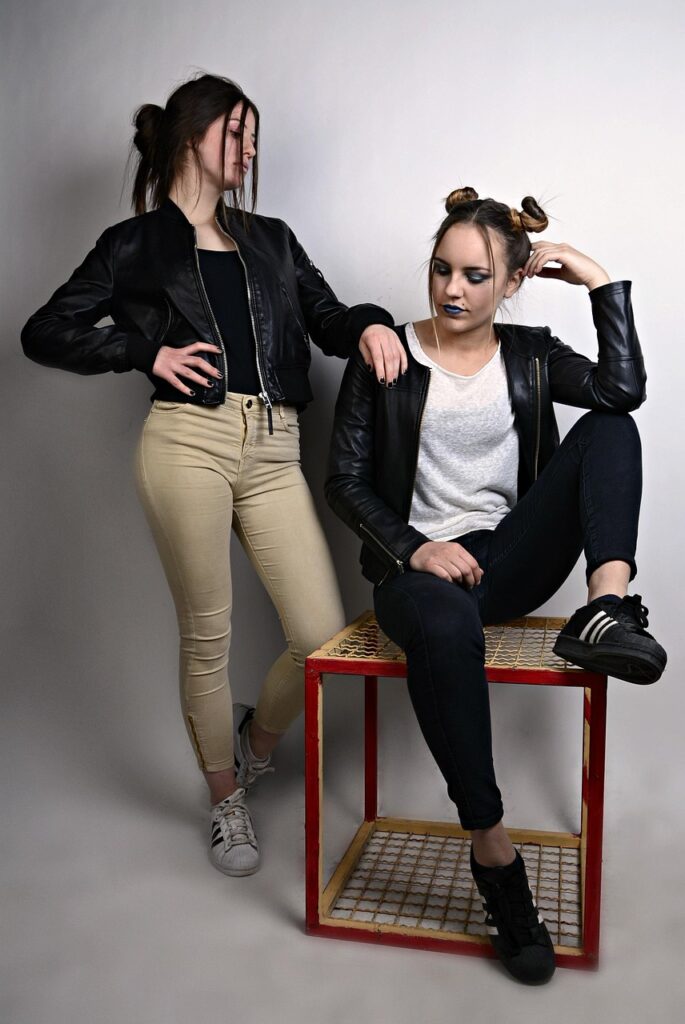
Fashion Photography is unique because it blends art, culture, storytelling, and commerce. While many genres focus on capturing moments, fashion photography focuses on creating them. Every frame is a carefully planned composition designed to highlight clothing, accessories, and aesthetics while maintaining a visually appealing mood.
Fashion photography stands out for three main reasons:
- Creativity: Each shoot pushes artistic boundaries using concepts, themes, and imaginative ideas.
- Expression: From poses to lighting, everything is used to convey personality and emotion.
- Visual Impact: It’s all about creating images that inspire, attract, and influence consumer behavior.
This genre is also highly adaptable — whether minimalistic or dramatic, indoor or outdoor, editorial or commercial, fashion photography allows endless experimentation.
2. Why Fashion Photography Matters in Modern Media
The fashion world includes multiple styles, each serving a unique purpose.
Editorial Style
Editorial shoots appear in magazines and digital publications. They are artistic, narrative-based, and often dramatic, using strong concepts to complement the clothing.
High-End Fashion
Luxurious outfits, bold poses, and dramatic lighting define this style. It is widely seen in designer campaigns and top-tier magazines.
Street Style Imagery
This focuses on everyday fashion and real-world settings. It feels natural, spontaneous, and perfect for influencers, lifestyle bloggers, and fashion brands.
Commercial Style
Brands use these images to promote and sell products. The focus remains clear, polished, and product-driven.
Lookbooks & Catalogs
Minimal, clean, and straightforward. The aim is to present the outfit clearly, making it ideal for online stores.
Runway Coverage
Capturing live fashion shows requires quick reflexes and precision. Timing is everything as models move rapidly down the catwalk.
Each category shows a different side of fashion and requires unique approaches in planning, lighting, and execution.
3.Essential Tools Needed for Professional Fashion Photography
Quality equipment helps produce polished, sharp results. While creativity drives the shoot, having the right gear enhances the final outcome.
Cameras & Lenses
- Full-frame mirrorless or DSLR cameras
- 50mm, 85mm, and 135mm prime lenses
- 24–70mm and 70–200mm zoom lenses
Lighting Tools
- Softboxes for smooth light
- Beauty dishes for crisp highlights
- LED panels for consistent light
- Reflectors for outdoor shoots
Additional Accessories
- Backdrops
- Light stands
- Color checkers
- Tethering setups
Good gear supports the photographer in producing professional-quality work for both commercial and editorial purposes.serve details in fabric, texture, and skin tones.
4. Lighting Tools Used in Fashion Photography
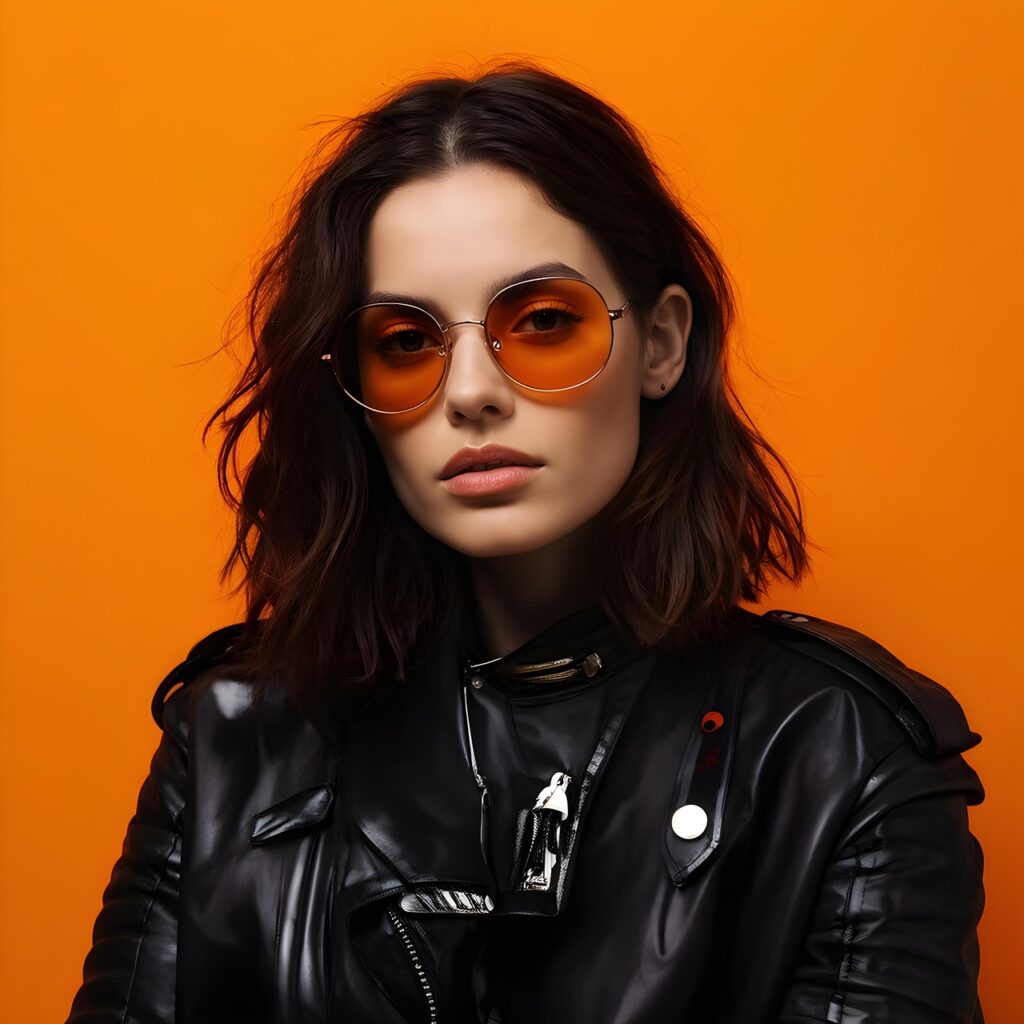
Lighting is the heart of every successful fashion shoot. With the right approach, even simple outfits can look luxurious and striking.
Natural Light
Perfect for outdoor and lifestyle shoots. It creates organic, soft results.
Studio Lighting
Best for commercial and high-end editorial images. It gives full control over shadows and highlights.
High-Key Lighting
Bright and clean, with minimal shadows. Common in catalog work.
Low-Key Lighting
Dramatic, moody, and artistic. Often used for bold designer campaigns.
Backlighting
Adds a glowing outline and improves separation from the background.
Mastering lighting transforms ordinary images into visually compelling ones.
5. Importance of Posing & Styling in Fashion Photography
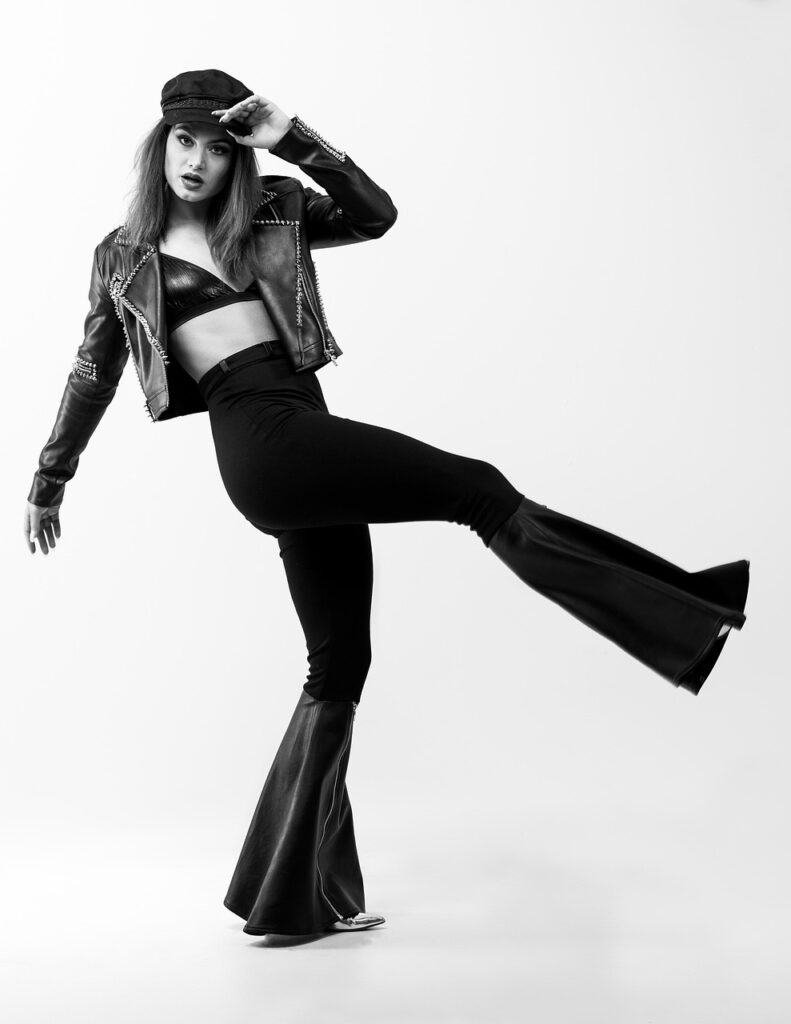
Posing plays a major role in showcasing clothing effectively. A great pose brings out movement, elegance, and personality.
Key Ideas for Good Posing
- Show important details of the outfit
- Maintain long, clean body lines
- Use poses that bring flow and energy
- Match expressions with the mood of the shoot
Styling ties the entire look together. Clothing, accessories, makeup, and the environment must work in harmony. When these elements sync, the shoot becomes visually stunning.g and lighting, the final result becomes cohesive and visually striking.
6. Editing & Post-Production Tips for Fashion Photography
Editing enhances the final result without losing natural beauty.
Common Editing Practices
- Skin retouching
- Color grading
- Enhancing texture
- Balancing shadows and highlights
- Removing distracting elements
Editing should be consistent with the theme—clean for commercial work, artistic for editorial projects.oots require creative color palettes, while commercial fashion photography prefers clean, polished, realistic tones.
7.Common Challenges in the Fashion Photography Industry
Photographers face several challenges, such as:
- Coordinating with creative teams
- Managing time restrictions
- Adapting to new fashion trends
- Handling difficult lighting situations
- Working with multiple models and stylists
Despite these challenges, the process is rewarding because each project brings new learning opportunities.llenges, fashion photography remains rewarding because it blends creativity with professional growth.
8. How to Improve Your Fashion Photography Skills
To grow in this field:
- Study magazines and fashion campaigns
- Practice with models or friends
- Learn new lighting patterns
- Experiment with creative themes
- Build a detailed portfolio
- Keep up with industry trends
- Understand brand identity and storytelling