

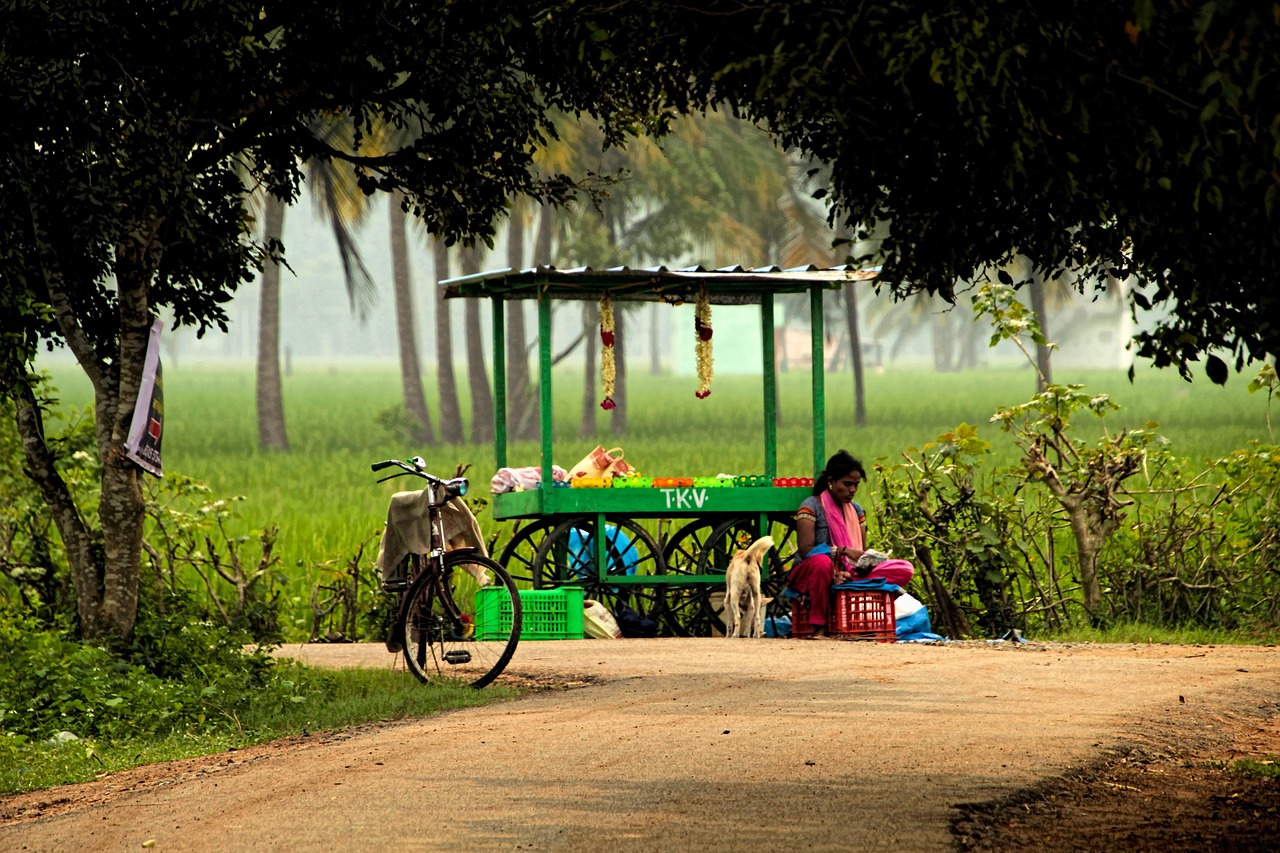
Street Photography is more than just clicking random pictures on busy roads. It is an art form that captures the raw, unfiltered essence of life as it unfolds around us. Whether it’s the energy of a crowded market or the calm of a quiet street corner, Street Photography allows us to freeze emotions, stories, and moments that might otherwise be forgotten. Because it blends spontaneity with creativity, this genre has become one of the most popular niches in modern photography.
The Evolution of Street Photography
Street Photography has evolved significantly over the years. Initially, it focused on documenting society and culture. Gradually, it transformed into a powerful storytelling medium. As cities expanded and cultures blended, photographers found endless inspiration in daily urban life. Moreover, technological advancements gave artists better tools to capture fleeting moments quickly. Today, Street Photography influences social media trends, travel content, and even brand storytelling.
Why Street Photography Matters in Modern Visual Culture
Street Photography matters because it presents life without filters or artificial setups. Unlike studio photography, it thrives on authenticity. Additionally, it helps preserve memories of changing cities, traditions, and lifestyles. Many people appreciate Street Photography because it feels relatable and real. Furthermore, brands and magazines increasingly use street-style visuals to connect with audiences emotionally. As a result, the genre continues to gain recognition across creative industries.
Essential Gear for Street Photography
Although expensive equipment isn’t mandatory, having the right tools makes Street Photography easier and more impactful.
Cameras
A compact mirrorless camera works best because it is lightweight and discreet. Photographers often prefer cameras with fast autofocus, silent shutters, and excellent low-light performance. These features help capture spontaneous moments without drawing attention.
Lenses
Prime lenses such as 35mm or 50mm are ideal for Street Photography. They offer a natural perspective and wide apertures suitable for low-light situations. Additionally, these lenses keep the setup light and flexible, which is perfect for long walks through city streets.
Accessories
Simple accessories can make a big difference. A small shoulder bag, spare batteries, memory cards, and a comfortable strap help you stay prepared. Even though these items seem basic, they support you during long shooting sessions.
Lighting Techniques
Lighting plays a crucial role in determining mood and style. Because Street Photography uses available light, understanding it is essential.
Golden Hour Lighting
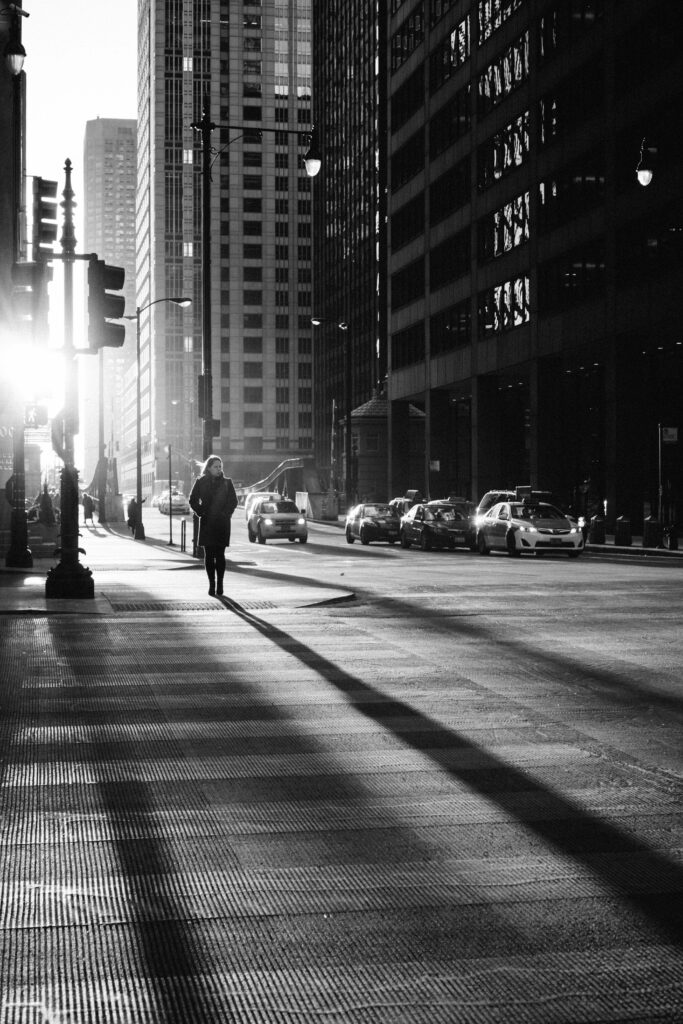
The golden hour creates warm, soft tones. It enhances textures, shadows, and silhouettes beautifully. Additionally, the low angle of the sun brings out interesting patterns on streets and buildings.
Night Street Photography
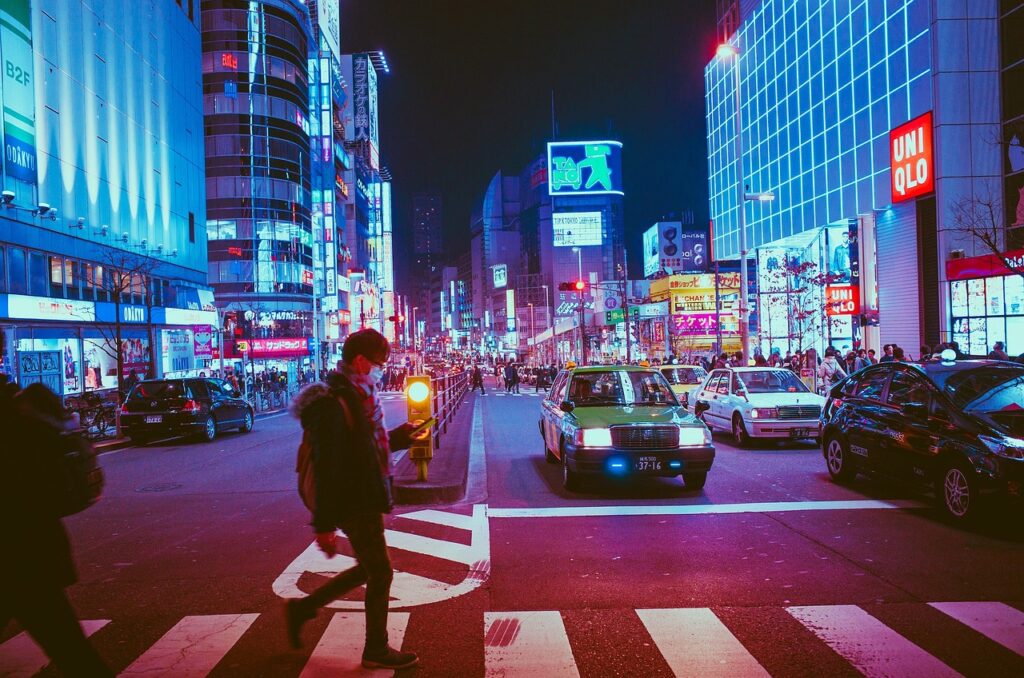
Shooting at night offers a completely different atmosphere. Neon lights, vehicles, and illuminated shops create dramatic scenes. However, you must balance ISO, shutter speed, and aperture carefully to avoid blurry or noisy images.
Shadow Play in Street Photography
Shadows add mystery and depth. By using contrast creatively, photographers can highlight characters, shapes, or patterns. Although shadows can be challenging, they offer stunning storytelling opportunities.
Composition Techniques for Street Photography
Good composition turns ordinary moments into memorable images.
Rule of Thirds
Placing subjects along grid lines makes scenes look more balanced. Moreover, it naturally guides the viewer’s eye across the frame.
Leading Lines
Road markings, railings, bridges, or pathways help draw attention toward the main subject. Because city environments are full of lines, this technique works brilliantly.
Framing
Using windows, doors, arches, or reflective surfaces adds layers to your image. Additionally, it helps isolate subjects in crowded spaces.
Color and Contrast
Bright colors or strong contrasts make certain elements pop. As a result, viewers immediately notice the intended subject.
Capturing Emotion in Street Photography
Emotion gives life to your photos. While moments are unpredictable, paying attention to expressions and body language helps you capture meaningful scenes. Whether it’s a child laughing, a vendor interacting with a customer, or a stranger lost in thought, every moment has a story. Moreover, connecting emotionally with your environment helps you shoot more intuitively.
Ethics & Respect
Street Photography often involves photographing strangers. Therefore, respecting privacy is essential. Always avoid sensitive situations or images that may cause discomfort to individuals. In some cases, asking for permission after taking the photo is a polite gesture. Additionally, being aware of local laws and cultural norms helps maintain professionalism.
Common Challenges
Like all genres, Street Photography has its challenges.
- Unpredictable lighting
- Fast-moving subjects
- Crowded locations
- Uncooperative weather
- Limited time to react
However, these challenges make the process exciting. Every moment requires quick decisions, which eventually improves your skill and confidence. Although it can feel overwhelming at first, consistent practice makes you much better over time.
How to Improve Your skills
Improvement comes with observation and experimentation. Here’s how you can grow:
- Explore different neighborhoods
- Observe light changes throughout the day
- Shoot from unusual angles
- Practice with both wide and tight frames
- Analyze famous street photographers
- Edit photos to enhance mood
- Challenge yourself with themes or weekly projects
Additionally, reviewing your older photos helps you understand progress. Because Street Photography is spontaneous, the more you practice, the sharper your instincts become.
Why Street Photography Remains Important Today
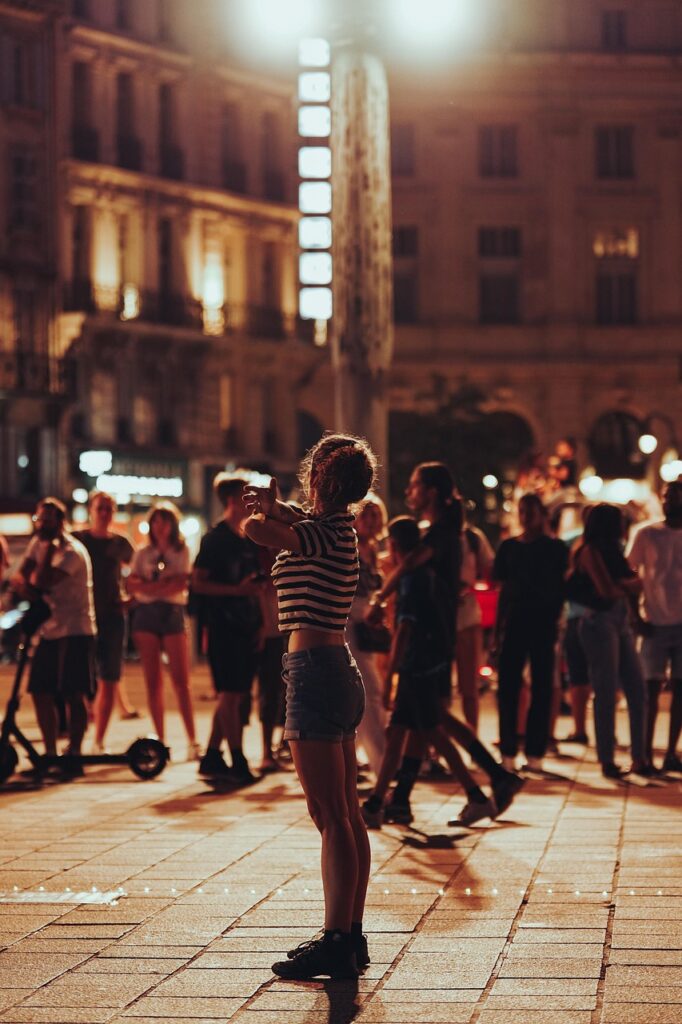
Street Photography is essential in today’s visual world. Cities grow, cultures evolve, and life changes rapidly. Through this genre, we document history happening right in front of us. Moreover, social media platforms rely heavily on authentic visuals, making Street Photography even more relevant. Whether used for travel blogs, brand storytelling, or art exhibitions, street images deeply connect with viewers because they tell real stories.
Conclusion
Street Photography is a powerful art that captures reality in its purest form. With the right gear, creative eye, and understanding of light, anyone can create compelling images. Although challenges exist, each moment on the street presents new opportunities to learn and grow. As long as photographers continue to explore cities and observe the world closely, Street Photography will remain one of the most impactful visual storytelling genres of our time.