Nature Photography has always been one of the most inspiring subjects for photographers. From mist-covered mountains and golden sunsets to tiny dew drops resting on leaves, nature photography invites us to pause, breathe, and appreciate the world around us. It is more than just clicking landscapes—it is the art of seeing beauty in simple things, understanding natural lighting, and capturing moments that exist only for a fraction of a second.
Nature photography not only documents the natural world but also evokes emotions, preserves memories, and tells stories that words often cannot. Whether you’re standing on a hilltop waiting for sunrise or kneeling in a forest to photograph a butterfly, every moment in nature photography is a reminder of how magical our planet truly is.

Why Nature Photography Is So Special
What makes nature photography so unique is its purity. Unlike portraits or events where the photographer may guide or arrange elements, nature follows its own rhythm. The sun sets when it wants, the clouds move freely, wildlife appears unexpectedly, and seasons change without permission.
This unpredictability adds excitement and challenge to every shot. Nature photography teaches patience, observation, and connection. It pushes the photographer to slow down and notice details: the texture of tree bark, the colors in a flower petal, the movement of water, or the patterns in the sky.
Every frame is natural, honest, and untouched by human influence—this is what makes nature photography feel alive.
The Different Types of Nature Photography
Nature photography is a wide world filled with diverse subjects. Some of the most popular types include:
1. Landscape Photography
From mountains to beaches, deserts to forests, landscape photography captures the vast beauty of nature. These images show the scale, colors, and mood of natural environments.
2. Wildlife Photography
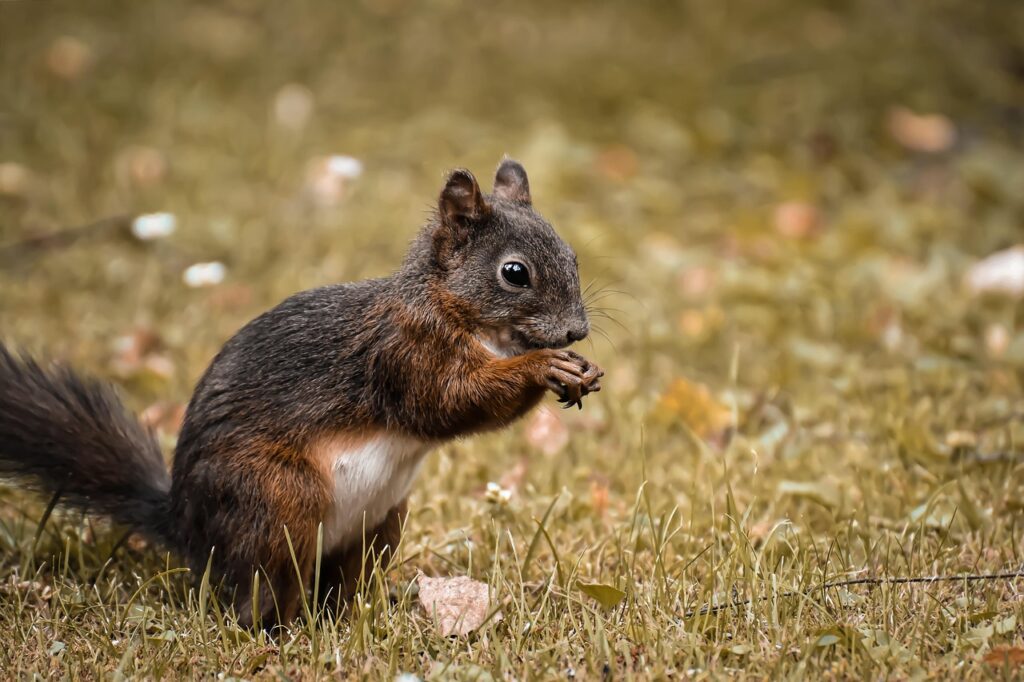
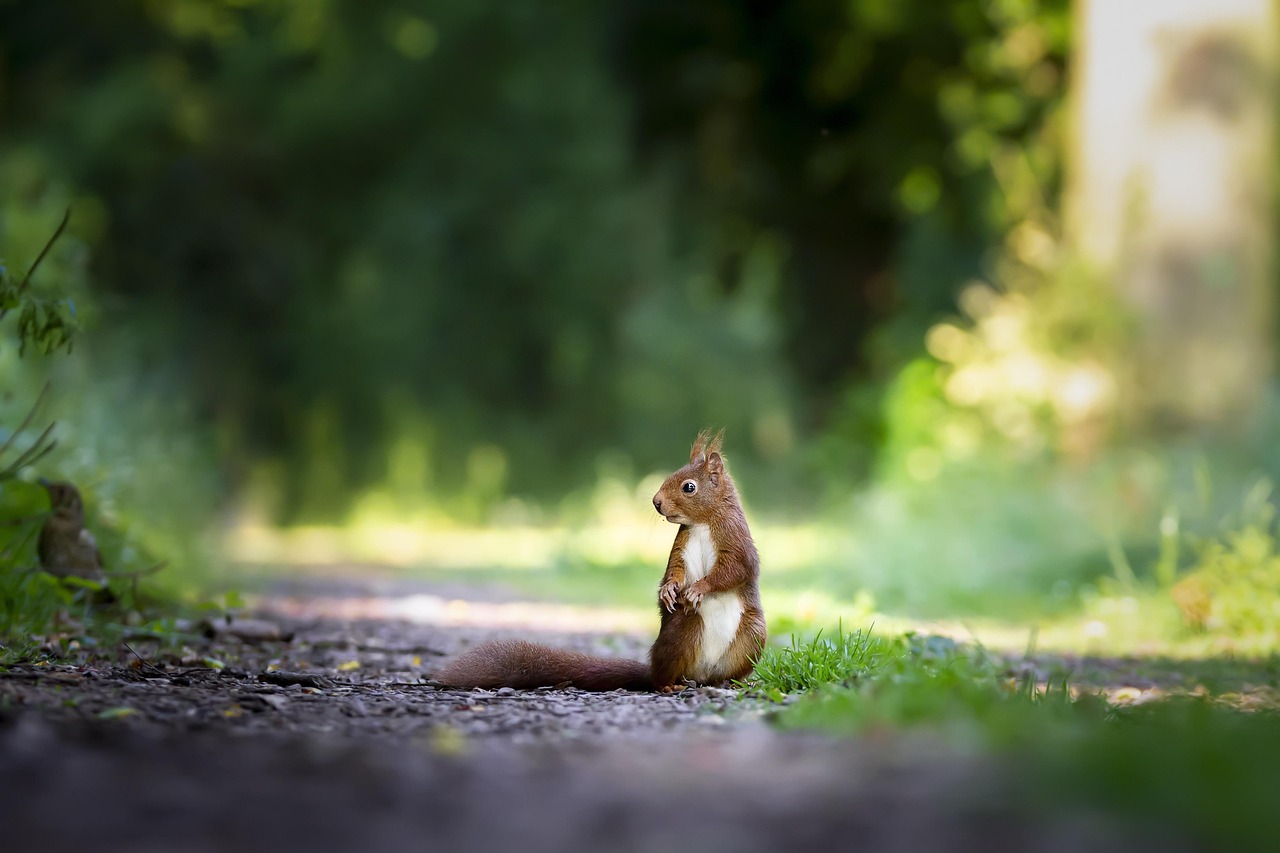
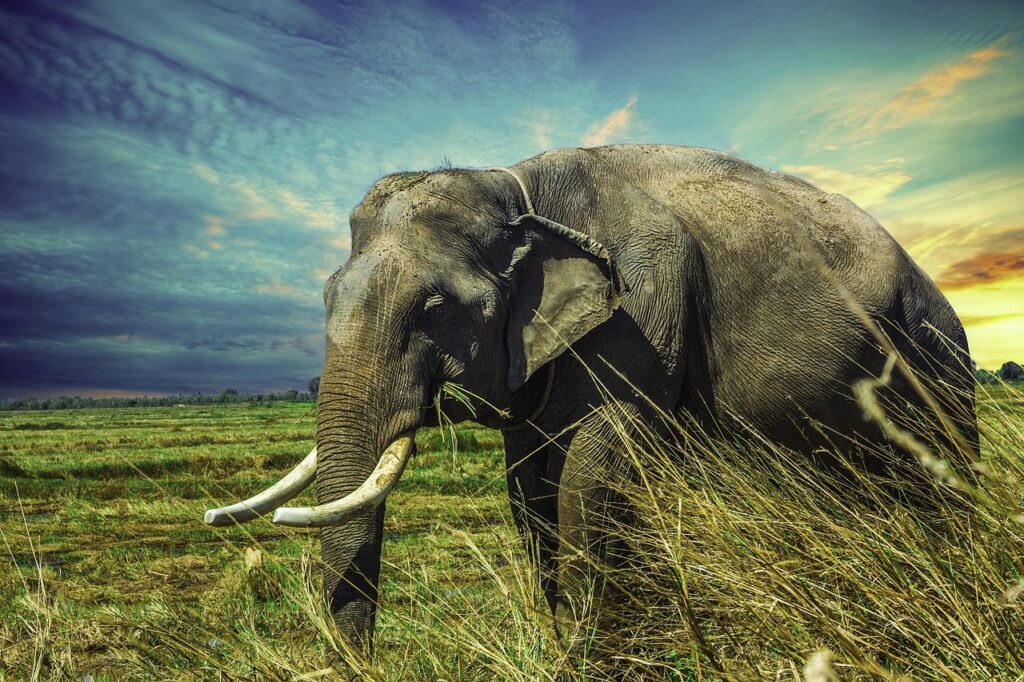
Animals in their natural habitats make powerful subjects. Wildlife photography requires patience, respect, and sometimes luck to capture birds, mammals, or insects in action.
3. Macro Photography
Tiny subjects like insects, flowers, and textures look extraordinary under a macro lens. Macro photography reveals details that the naked eye often misses.
4. Aerial Nature Photography
With drones, photographers can capture top-down views of forests, mountains, waterfalls, and rivers, creating unique compositions from above.
5. Waterscape Photography
Photography involving lakes, oceans, waterfalls, and rivers often results in soothing and dramatic visuals. Long exposure techniques create silky water effects.
6. Astrophotography
Capturing the night sky, stars, planets, and the Milky Way is one of the most fascinating parts of nature photography. It requires technical skill, dark skies, and perfect timing.
Each category offers a different perspective and challenges the photographer to improve their technique and creativity.
The Essential Elements of Nature Photography
To capture stunning nature photographs, there are a few key elements every photographer should understand:
1. Lighting
Natural light is the heart of nature photography. The golden hour—just after sunrise or before sunset—creates warm, soft, and magical lighting. Midday light can be harsh, while cloudy skies offer a natural softbox effect.
Understanding light direction, intensity, and color helps create mood and impact in every shot.
2. Composition
Using techniques like the rule of thirds, leading lines, symmetry, and framing can transform ordinary scenes into powerful images. Composition is how a photographer guides the viewer’s eye through the photograph.
3. Timing
Nature photography often relies on perfect timing: the moment a bird takes flight, the instant sunlight hits a peak, or when a wave crashes at the shore.
Patience is a photographer’s best friend.
4. Perspective
Changing angles—getting low, shooting from above, or stepping backward—completely changes a photograph. Sometimes the best shot requires moving around and exploring different viewpoints.
5. Equipment
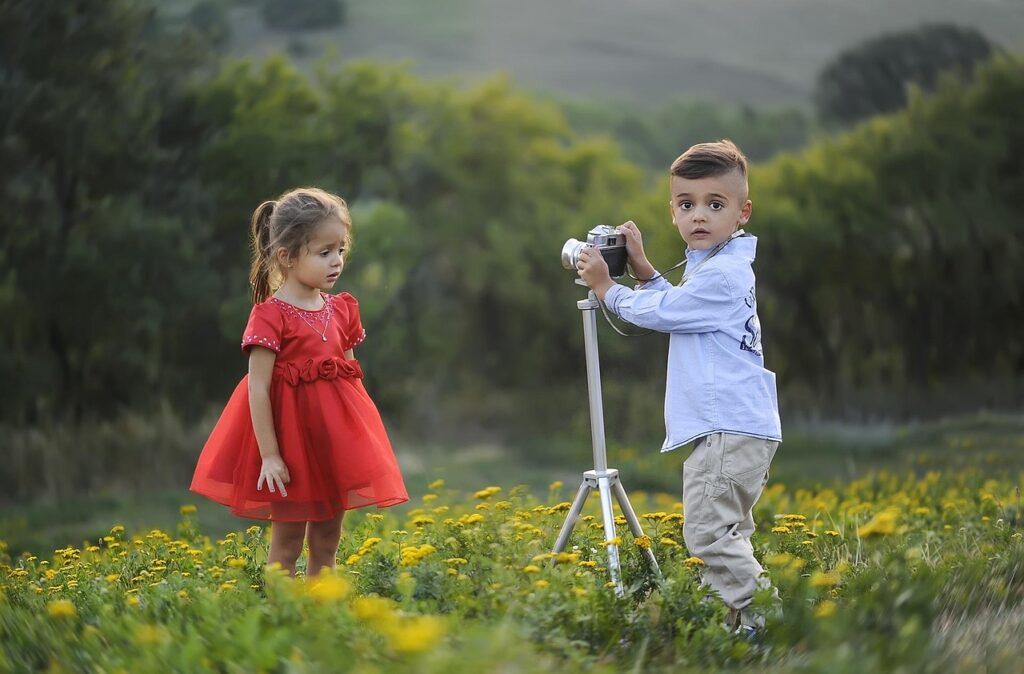
While nature photography can be done with any camera, lenses like wide-angle, telephoto, and macro lenses help capture different perspectives. Tripods are essential for stability, especially in low light.

The Emotional Side of Nature Photography
Beyond technique, nature photography connects deeply with emotions.
When someone looks at a photograph of a sunset, a waterfall, or a forest path, they often feel calm, inspired, nostalgic, or curious. Nature has a healing power, and photographs allow people to experience that beauty again and again.
For photographers, being in nature also brings peace. Taking pictures in the middle of a forest or near a river is therapeutic. It allows them to disconnect from stress and reconnect with the natural world.
The Challenges of Nature Photography
Nature photography is beautiful but not always easy. Some common challenges include:
- Unpredictable weather
- Changing lighting conditions
- Wildlife behaving unpredictably
- Difficult terrain
- Early morning or late-night shoots
- Carrying equipment
But these challenges make the final results even more rewarding.
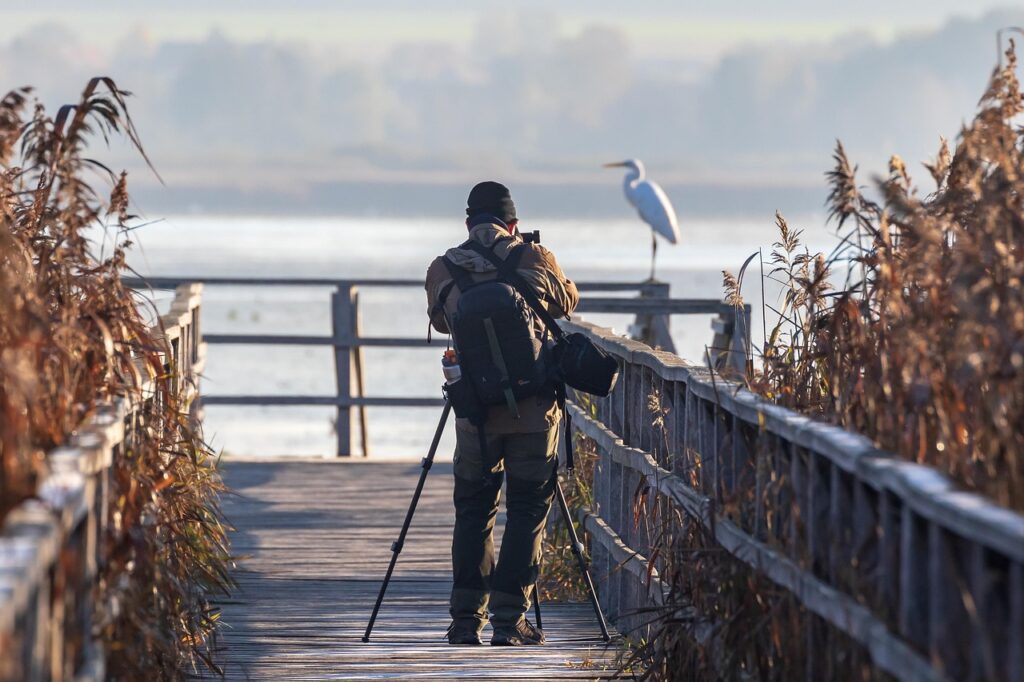
Tips for Becoming Better at Nature Photography
Here are some practical tips to improve your nature photographs:
1. Study Your Location
Visit the place more than once. Observe how light changes throughout the day. Use apps to track sunrise, sunset, and star positions.
2. Be Patient
Nature photography is not about rushing. Great shots often come after waiting for the perfect moment.
3. Respect Nature
Never disturb wildlife or damage the environment for a photograph. Ethical nature photography is very important.
4. Shoot in RAW
RAW files give more editing flexibility for colors, shadows, and highlights.
5. Experiment
Try long exposures, different focal lengths, creative angles, and compositions. Nature is full of surprises—use them.
6. Practice Regularly
The more you shoot, the better your eye becomes. Even small changes in weather or light can create new photographic opportunities.