

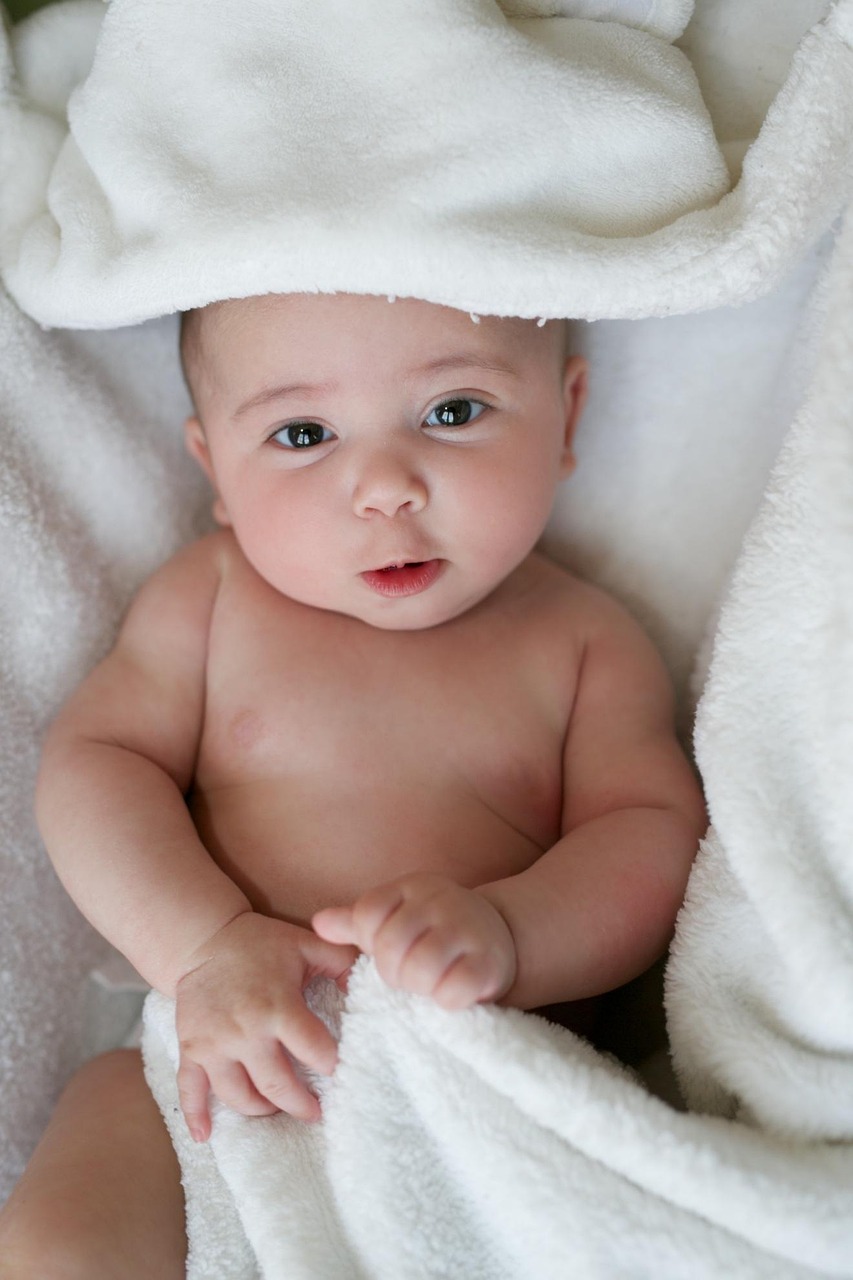
Newborn photography is more than just taking pictures of a baby—it is the art of freezing moments that disappear far too quickly. Those tiny fingers, sleepy smiles, soft wrinkles, and peaceful expressions stay only for a short time, and newborn photography allows parents to preserve these memories forever. In a world where everything changes rapidly, these photographs become timeless treasures.
Why Newborn Photography Is So Special
Newborn photography holds a unique emotional power. When a baby enters the world, everything feels new, delicate, and filled with wonder. The early days are overwhelming for parents, and capturing these moments helps them pause and cherish the beauty in the chaos.
These photos aren’t just images; they are stories—stories of unconditional love, of beginnings, of the bond between parents and their baby. A newborn’s world is soft and fragile, and skilled photographers use lighting, angles, and thoughtful styling to highlight that innocence.
Beyond the aesthetics, newborn photography becomes an heirloom. Years later, when parents look back, these pictures help them relive the emotions they felt when holding their child for the first time.
Types of Newborn Photography
There are several styles of newborn photography, each telling a different story:
1. Newborn Lifestyle Photography
This style captures the baby naturally in their home environment. Rather than posing, the focus is on real moments—feeding, cuddling, yawning, sleeping. These photos feel warm, emotional, and authentic, reflecting daily life with a newborn.
2. Newborn Posed Photography
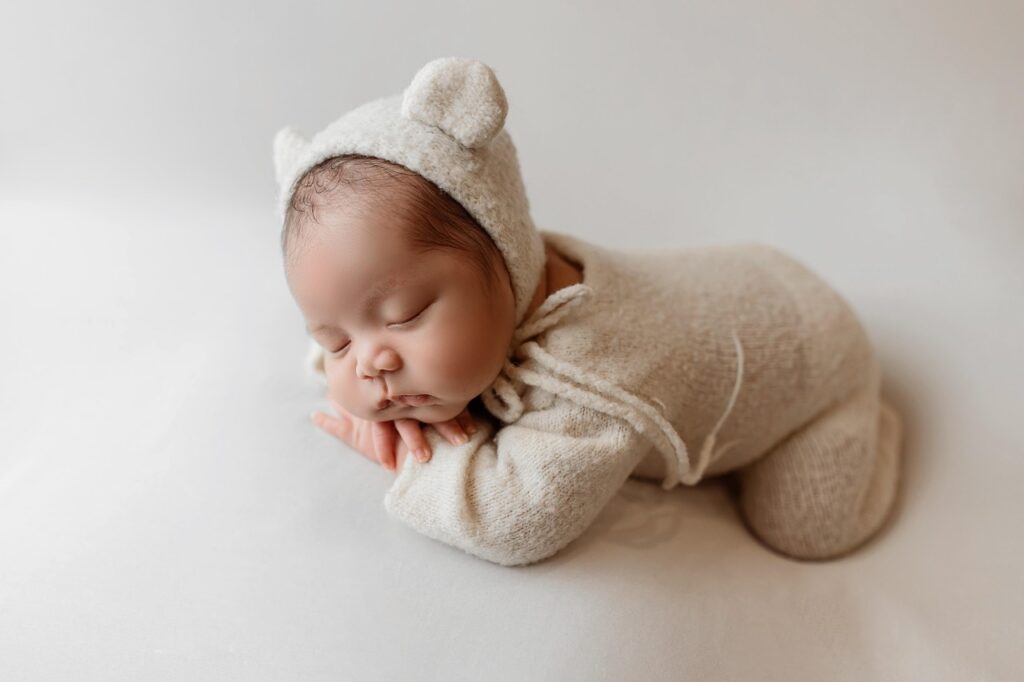
This is the classic studio style. The baby is gently positioned into cute poses, wrapped in soft blankets, placed in baskets, or styled with tiny props. Lighting and backgrounds are used to create dreamy, artistic portraits.
3. Newborn Family Photography
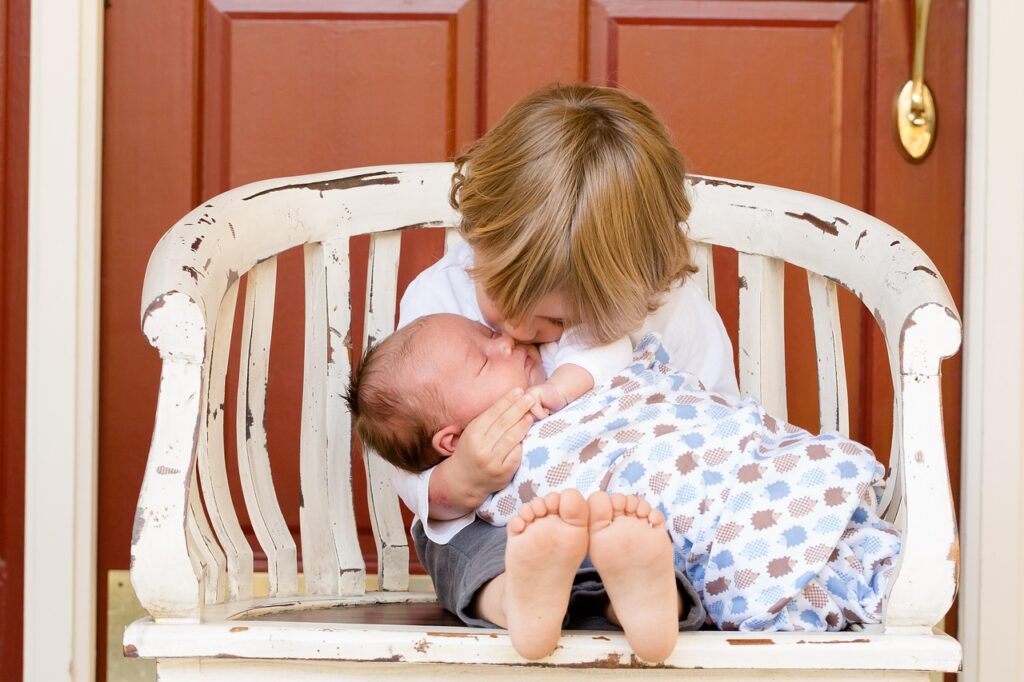
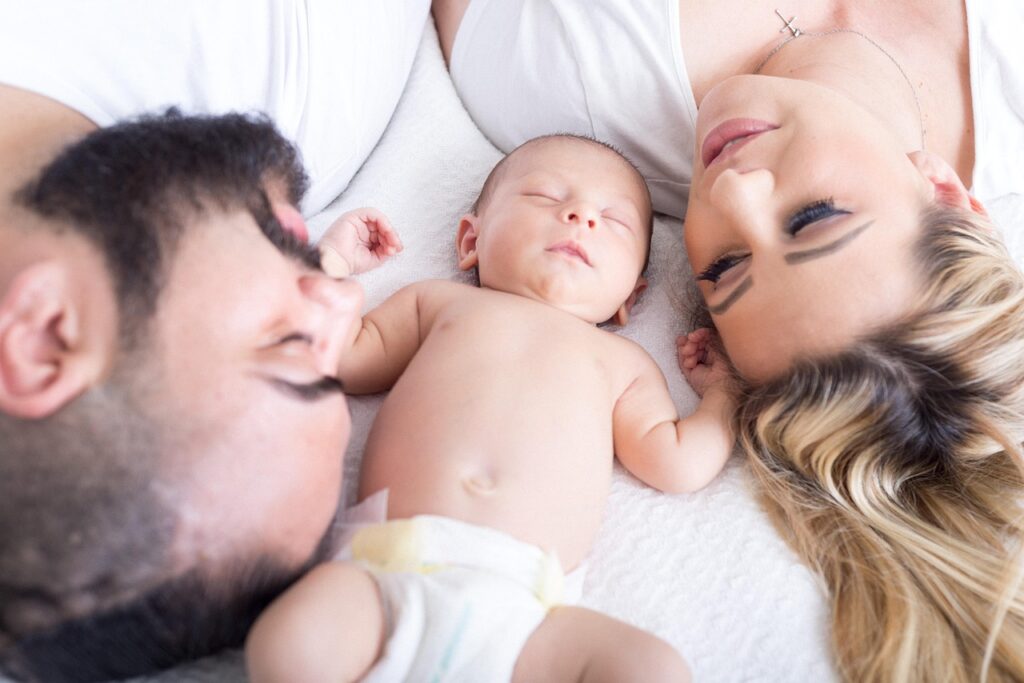
In this type, the emphasis is on the bond between parents, siblings, and the newborn. These images show connection—tiny hands wrapped around a parent’s finger, a mother’s gentle kiss, or a father holding the baby close.
4. Newborn Detail Photography
These are close-ups—eyes, tiny toes, lips, curls, and soft skin textures. These details fade as the baby grows, making these micro-moments extremely precious.
Essential Elements of Newborn Photography
Safety Comes First
The most crucial aspect of newborn photography is safety. Babies are delicate, and professional photographers ensure every pose is safe, every surface is soft, and every prop is secure. No image is worth risking a baby’s comfort.
Lighting
Soft, diffused lighting creates the magical glow seen in newborn photos. Natural light from a window or gentle studio lighting helps capture the baby’s purity without harsh shadows.
Warmth & Comfort
Newborns feel secure when warm. Maintaining a cozy environment ensures the baby stays calm and sleepy, making the entire session smooth and peaceful.
Timing
The ideal window for newborn photography is between 5 to 15 days after birth. During this period, babies sleep deeply, curl naturally, and are easiest to pose.
Minimalism
Simple props, neutral tones, and soft textures enhance the baby’s innocence. Minimalism ensures the newborn remains the highlight of every image.

The Emotional Side of Newborn Photography
Every newborn photo carries emotion. Parents often find themselves tearing up during the session because these moments remind them of how tiny, fragile, and beautiful their baby truly is.
The emotional depth comes from:
- The quiet stillness of a sleeping baby
- The way a newborn fits perfectly in a parent’s hands
- The gentle expressions that show peace and purity
- The warmth of family connection
Newborn photography is not just about composition—it’s about capturing love. Decades later, these images become a way for families to revisit their child’s earliest days.
Challenges in Newborn Photography
Though the results seem effortless, newborn photography is one of the most challenging genres. Photographers must be patient and prepared, because babies don’t follow schedules. They may cry, wake up, feed frequently, or refuse to settle.
Other challenges include:
- Maintaining safety in every pose
- Creating the perfect lighting without disturbing the baby
- Coordinating with parents during the postpartum period
- Working with unpredictable moods
- Ensuring hygiene in all props and wraps
It requires skill, experience, and a calm mindset to handle newborns with care.
Tips for Becoming Better at Newborn Photography
1. Prioritize Safety & Comfort
Never attempt complicated poses without proper training. Always support the baby’s head and neck, and use spotters when needed.
2. Use Natural Light
It adds softness, warmth, and emotion to newborn photos.
3. Keep the Setup Simple
Neutral colors, soft blankets, and minimal props ensure the baby remains the focus.
4. Be Extremely Patient
Newborn sessions can take 2–4 hours. Slow down, follow the baby’s pace, and stay calm.
5. Capture Emotional Moments
Encourage parents to participate. Candid, heartfelt interactions create the most powerful images.
6. Learn Wrapping Techniques
Wrapping keeps the newborn feeling secure and helps them settle into peaceful poses.
7. Plan Ahead
Discuss styling, colors, and expectations with parents before the session.
Why Newborn Photography Matters
Newborn photography matters because it captures life at its most untouched, pure, and magical stage. Babies grow incredibly fast—their face changes within weeks, and the tiny features parents fall in love with slowly fade.
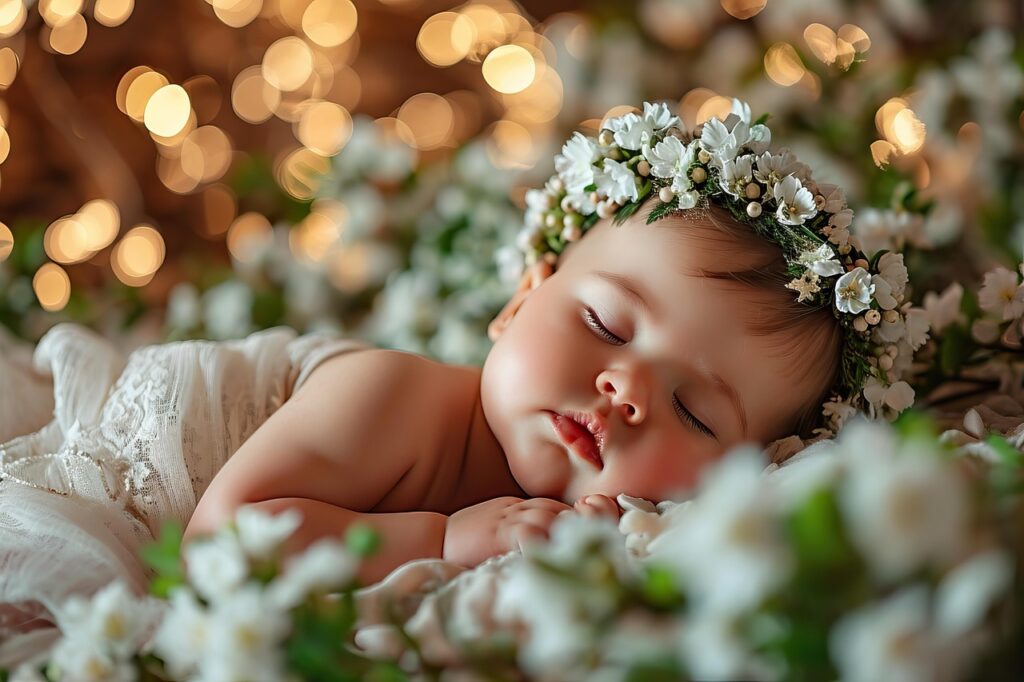
A newborn photo becomes a reminder of:
- The beginning of a new chapter
- The joy of welcoming life
- The bond that forms instantly
- The beauty of innocence